Digitising the fragility fracture pathway: BoneSense at FFN Europe, Edinburgh 2026
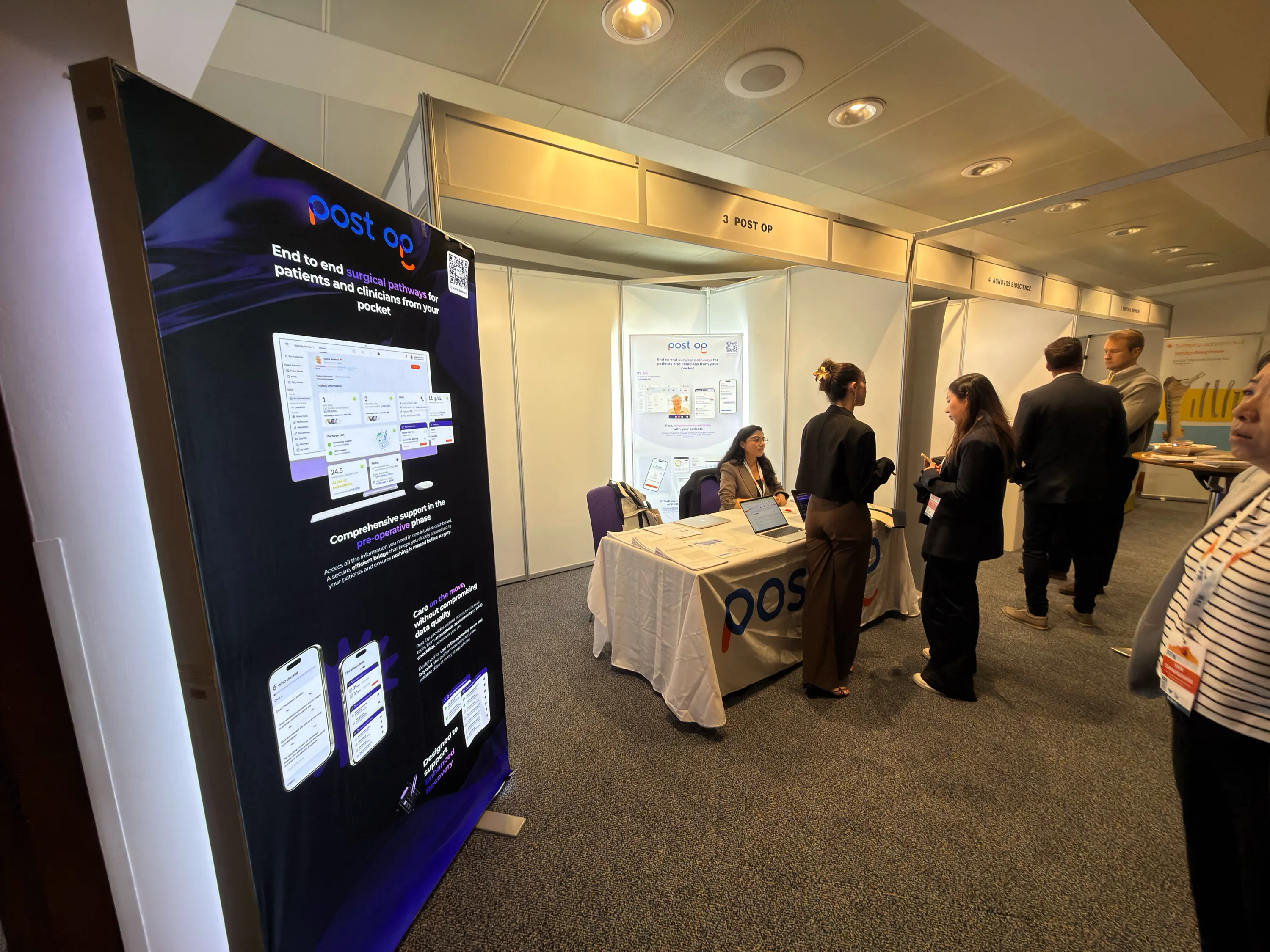
Clinicians, patient advocates and industry partners came together from across Europe and beyond, all focused on one goal: better care for people living with fragility fractures.
Fracture liaison teams across Europe described the same problems. Patients are missed after their first fracture. Data is entered more than once across separate systems. Bone health assessment and treatment depend on whoever happens to see the patient. Follow-up and adherence are hard to track once the patient goes home. And national audit reporting takes clinical time away from patient care.These are the problems BoneSense was built to solve.

One standardised pathway for every fragility fracture patient
We demonstrated the BoneSense unified fragility fracture pathway.
- Identification from every entry point. Patients are picked up whether they first present to emergency medicine, trauma and orthopaedics, care of the elderly, rheumatology, endocrinology or general practice.
- Automated risk stratification. Every patient is scored in the same way. The decision support is advisory only, and the clinician can always override it.
- Assessment and treatment. DXA scanning, bone-sparing treatment and medication monitoring, including bloods and side effects, are tracked in one place.
- Discharge, rehabilitation and follow-up. Discharge and physiotherapy plans connect to ongoing monitoring of adherence and recovery. Patients stay engaged through the Post Op mobile app.
Many visitors told us the link between the clinical pathway and automated reporting was what stood out. Clinicians don’t want another system to feed. They want the pathway to produce the data as they work.
Research that shows why this matters
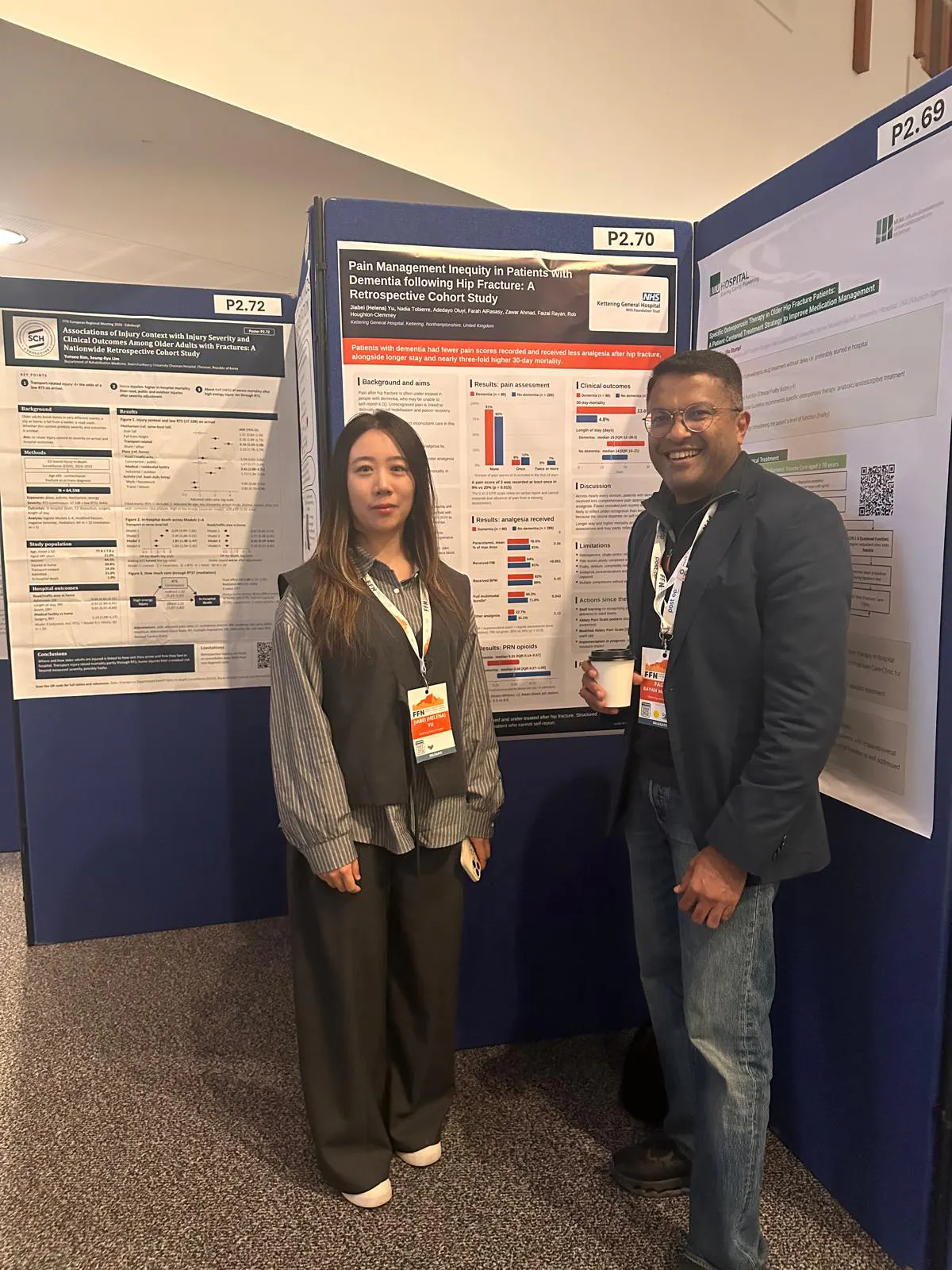
The scientific programme was a reminder of how much variation still exists in fracture care. Dr Faizal Rayan, co-authored a poster from Kettering General Hospital: Pain Management Inequity in Patients with Dementia following Hip Fracture: A Retrospective Cohort Study. It found that patients with dementia had fewer pain scores recorded and received less analgesia after hip fracture. They also had a longer length of stay and nearly three times the 30-day mortality.
Findings like these are why structured, standardised digital pathways matter. When every step is captured and measured, gaps in care become visible, and teams can act on them.
Building a European community for fracture care
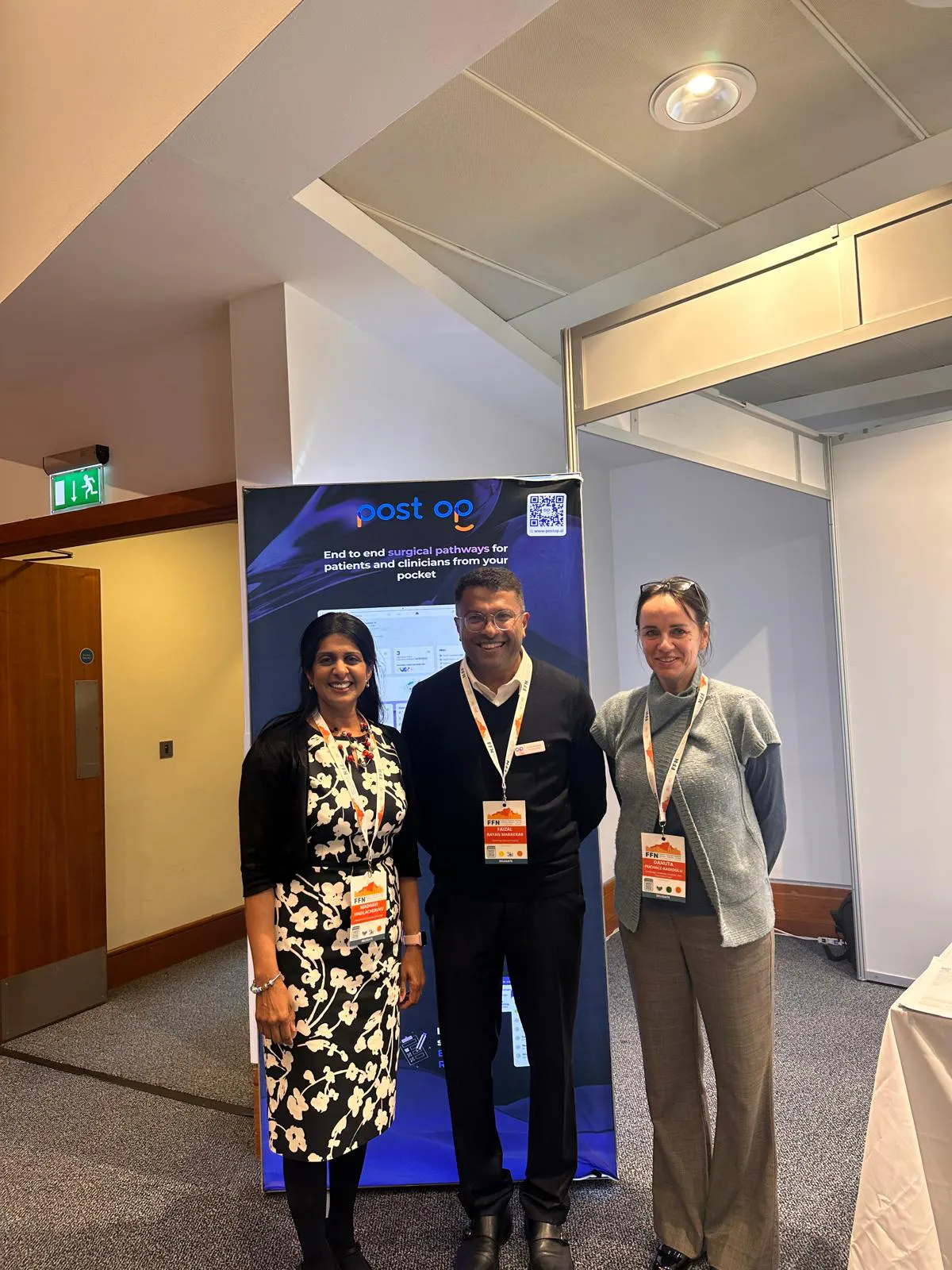
Away from the stand, the meeting was a chance to reconnect with old colleagues and meet new ones from across the European fracture community. That included the evening reception at the National Museum of Scotland. We left Edinburgh with new partnerships to explore and a strong sense that there is shared momentum behind digital transformation in fragility fracture care.