 Chindu Kabir
Ten years of FLS-DB, and the case for one digital fracture pathway
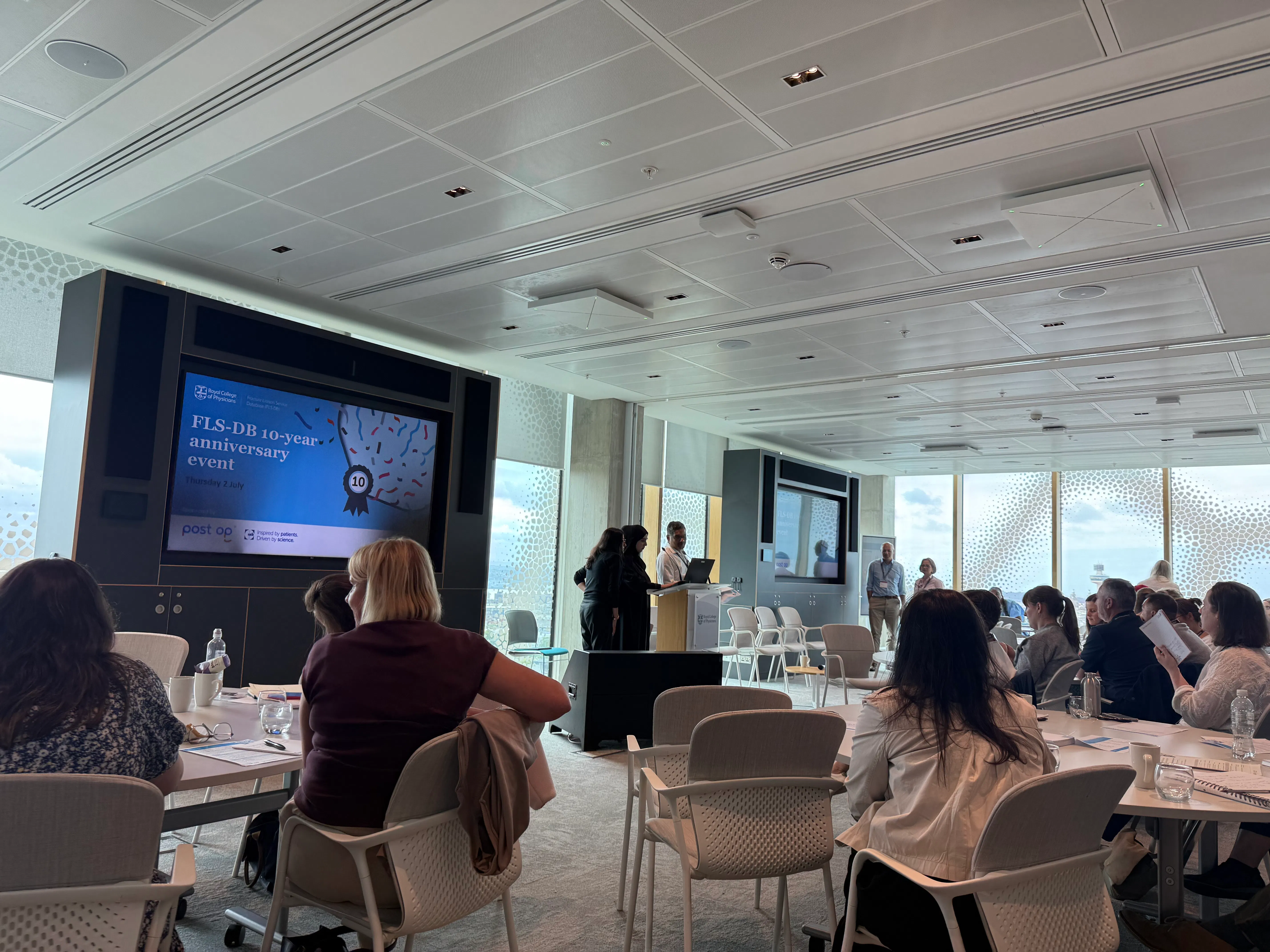
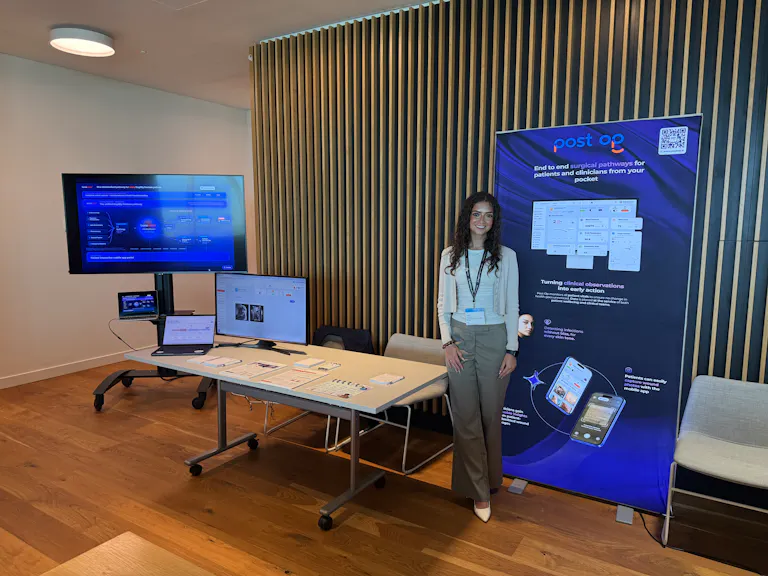
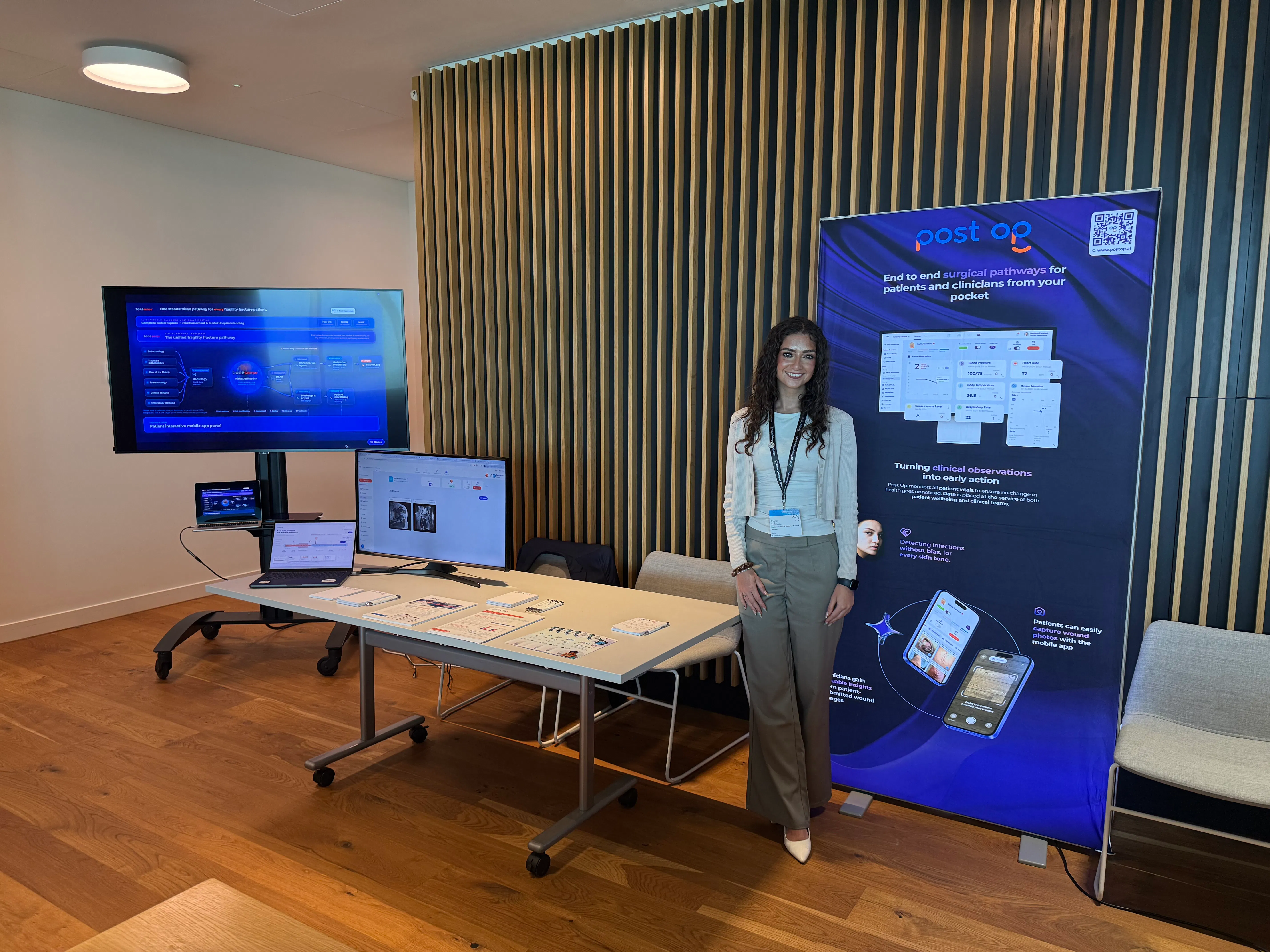
Post Op was proud to support the Fracture Liaison Service Database 10-year anniversary event.
Held at RCP Spaces at The Spine on 2 July 2026, where the FLS community marked a decade of national audit and turned to the question of what comes next.
A decade in numbers
The database started life as a feasibility study in 2015, with the facilities audit following in 2016. Sunil Nedungayil traced its growth from a modest 18,000 records in the first year to well over half a million case records today, from more than 24 sets of data points to a leaner data-lite collection, and from services sitting in the red to a steadily rising count of ambers and greens.
What the community said
Lesley Kay, National Clinical Director for Musculoskeletal Conditions, and Judith Agwada-Akeru, National Clinical Advisor for Orthogeriatrics, set out the national picture and the opportunities ahead. Ruth Wakeman, Inderpal Singh OBE, Maria Panagiota Panourgia and Kassim Javaid examined how the three shifts in the NHS 10 Year Plan map onto the needs of people living with fragility fractures.
Amara Williams and Sarah Connacher made a compelling case for nurse leadership as the engine of service improvement, and workshops led by Sunil Nedungayil, Kassim Javaid, Rachel Bradley and Zoe Paskins turned shared frustrations into practical fixes.
Bringing everyone into the same room
Fracture prevention only works when orthopaedics, orthogeriatrics, rheumatology, endocrinology, nursing, therapy and primary care are pulling in the same direction, and most services still stitch that together across spreadsheets, letters and separate systems. BoneSense brings the whole team into one room, by putting the entire fracture liaison pathway into a single digital record.